
Powered By



People living with hemophilia B sometimes experience a complication of treatment called an inhibitor. Inhibitors may develop in about 10 percent of people with severe hemophilia B.
Read on to learn what causes hemophilia B inhibitors, symptoms associated with them, and what treatments are available.
People with hemophilia B have unusual bleeding because they have low levels of clotting factor IX (9) in their blood. Clotting factors, such as factor IX, are proteins that help blood form clots and stop bleeding. You will usually see Roman numerals in any discussion of clotting factors.
Sign up to view the results!
 Continue with Facebook
Continue with Email
Continue with Facebook
Continue with Email
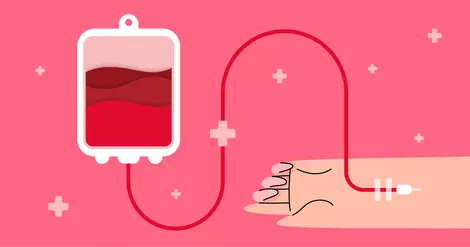
Hemophilia B is treated with replacement clotting factors administered via an intravenous infusion. However, some people develop inhibitors, immune proteins known as antibodies that target and destroy the infused factors.
Inhibitors prevent treatment from working, which can lead to uncontrolled bleeding and make it difficult to manage the disease. They’re called inhibitors because they stop infused clotting factors from doing their job in the blood-clotting process.
Hemophilia treatments focus mainly on replacing the missing clotting factors. There are two main types of clotting factor products used to treat the condition:
If you have a bleeding episode that doesn’t get better or gets worse after a clotting factor infusion, you may have an inhibitor.
People with hemophilia B who have an inhibitor are at higher risk of an anaphylactic reaction to a clotting factor infusion. Anaphylaxis is a severe, potentially life-threatening allergic reaction by the immune system, characterized by breathing difficulties, rash, nausea, and shock.
A person’s risk of developing inhibitors depends mainly on whether they have hemophilia A or hemophilia B and its severity. According to the Hemophilia Federation of America, people with hemophilia A (also known as classic hemophilia) are more likely to develop inhibitors than people with hemophilia B.
In addition, people with more severe bleeding disorders have a higher risk of developing inhibitors.
People with large gene deletions are also more likely to develop inhibitors.
Typically, inhibitors develop during childhood, usually between the ninth and 50th infusion treatment. In rare cases, inhibitors may develop later in life, even after years of successful treatment.
Two types of blood tests can help determine if a person with hemophilia B has an inhibitor: the Nijmegen-Bethesda and Bethesda assays. They measure how much inhibitor is in the blood (known as an inhibitor titer) in units called Bethesda units (BUs).
People with inhibitors are broken into two groups based on their concentration of inhibitors: They have either low-titer (low-responding) or high-titer (high-responding) inhibitors. The level of inhibitor in your blood determines your course of treatment.
To be safe, it’s recommended that people with hemophilia B get tested for inhibitors at least once a year. Inhibitor symptoms aren’t always obvious, so it’s important to monitor for their development.
According to the U.S. Centers for Disease Control and Prevention (CDC), federally funded hemophilia treatment centers offer free inhibitor testing to those who qualify.
Inhibitor development can make hemophilia treatment more complicated. Fortunately, several treatment options can help manage bleeding, reduce the effect of inhibitors, or help the immune system tolerate factor infusions. These include:
If you have low-titer inhibitors (lower than 5 BUs), you may be able to continue to use factor replacement therapy for treating bleeding, but you’ll need more of it.
Your doctor may give you high doses of clotting factor concentrates. High doses can overcome the inhibitors and provide extra clotting factors so your blood may clot effectively. You may need more frequent treatments for this method to work.
It’s also possible that low-titer inhibitors may resolve on their own.
High-titer inhibitors can make treatment more complicated. People with high titers (usually defined as more than 5 BUs) generally do not benefit from factor VIII or factor IX replacement therapy, regardless of how much factor is infused.
Your doctor will consider your type of hemophilia and the severity of your bleeding when making a treatment plan.
In emergencies, plasmapheresis can filter high concentrations of inhibitors out of the blood. However, this is only a temporary solution, as the body will continue to make new inhibitors.
The class of treatments known as bypassing agents works by bypassing the need for factor VIII or factor IX to help clot blood. The U.S. Food and Drug Administration (FDA) has approved several BPAs to treat people with inhibitors, including:
People taking BPAs require close monitoring to ensure their blood isn’t clotting in the wrong areas or too much, according to the CDC.
Another recent FDA-approved treatment, fitusiran (Qfitlia), offers a unique approach by reducing antithrombin levels, thus helping increase the body’s ability to form blood clots naturally. This can be particularly beneficial for those with inhibitors, as it provides an alternative method to manage bleeding episodes with less frequent injections.
To target the cause of inhibitors, some people undergo immune tolerance induction therapy. This therapy familiarizes the immune system with clotting factors so it doesn’t make antibodies against them.
During ITI therapy, higher doses of clotting factors are infused daily over weeks to months to expose the immune system and teach the body to accept the factor without reacting.
Your doctor may also prescribe medications that suppress the immune system so it doesn’t overreact during ITI therapy.
ITI therapy is generally successful in people with hemophilia A and inhibitors. Studies have shown that between 70 percent and 80 percent become tolerant to infused clotting factors.
Unfortunately, studies show that fewer than half of these treatments succeed for people with hemophilia B and inhibitors. They also have a higher risk of complications.
Gene therapy isn’t currently approved for people with active inhibitors, although some researchers continue to study its potential role in this population.
Gene therapy delivers functional genes through a virus vector (via infusion), allowing people to create their own clotting factors.
An FDA-approved adeno-associated virus-based gene therapy is currently available to treat hemophilia B: etranacogene dezaparvovec (Hemgenix).
Hopefully, future studies will show whether gene therapy can help people with hemophilia B overcome inhibitors.
Depending on the type of hemophilia you have and its severity, you may be at a higher risk of developing inhibitors. Be sure to talk to your healthcare providers about yearly testing, as well as what it means for you if you develop an inhibitor to your treatment.
The cost of inhibitor treatment can be expensive, especially when combined with other hemophilia treatments. If you’re concerned about the cost of medical bills, talk with your doctor. They can connect you with a hemophilia treatment center (HTC) or social worker who can help you learn more about coverage, costs, and available resources.
On MyHemophiliaTeam, people share their experiences with hemophilia, get advice, and find support from others who understand.
Have you or a loved one developed inhibitors after treatment for hemophilia B? Let others know in the comments below.
Get updates directly to your inbox.



 Continue with Facebook
Continue with Email
Continue with Facebook
Continue with Email
Continue with Facebook
Continue with Email
Continue with Facebook
Continue with Email
Become a member to get even more





 Join
Join


 Your Privacy Choices

This is a member-feature!
Sign up for free to view article comments.
We'd love to hear from you! Please share your name and email to post and read comments.
You'll also get the latest articles directly to your inbox.