
Powered By



People with hemophilia or von Willebrand disease may have a higher risk for tooth decay and gum disease compared with the general population, especially if they avoid dental care due to worries about bleeding.
Good dental hygiene and regular dentist visits can actually help reduce bleeding and help prevent the need for invasive procedures. But those with bleeding disorders may need to do a little more planning before dental appointments to prevent bleeding that can be difficult to control.
Sign up to view the results!
 Continue with Facebook
Continue with Email
Continue with Facebook
Continue with Email
Here’s what you need to know about planning before dental treatment, the risks of common dental procedures, and what to do in case of dental emergencies.
When you’re living with hemophilia, certain types of dental work can put you at a higher risk for bleeding. Routine procedures like having wisdom teeth extracted can lead to prolonged bleeding during and after the procedure if not planned for in advance.
It’s vital to find a dentist who understands how to manage cases involving hemophilia. Certain techniques help them prevent excessive bleeding and keep you safe during a dental procedure.
 You can prevent the need for invasive dental procedures in the future by following a consistent oral hygiene routine.
Some examples include providing factor replacement therapy as well as antifibrinolytic therapy, a medical treatment to prevent blood clots from breaking down too quickly. Other options might include fibrin glues, epinephrine, and precision sutures (stitches).
If you don’t have a dentist, contact your hemophilia treatment center (HTC) for a referral. They should be able to recommend dental professionals in your area.
At your first visit, tell the dentist your hemophilia type and severity, your current factor product, and whether you’ve ever had inhibitors (antibodies that block clotting factors).
It’s vital to find a dentist who understands how to treat people with hemophilia. If you don't have a dentist, ask your HTC for a referral.You also should mention any past bleeding with dental work and provide your hemophilia treatment center’s contact information so they can collaborate on your care.
Your dentist should work closely with your hematologist or HTC to develop a treatment plan for your upcoming dental visit or oral surgery. You may need to use prophylaxis beforehand, depending on the severity of your condition and the type of work you’re having done.
This may mean taking a factor replacement (clotting factor or proteins) prior to the treatment and continuing to take it after the treatment if your healthcare team recommends it.
Your healthcare team may also discuss what procedures and medications will be used and what will be done if you start bleeding more than normal.
You should also receive instructions for postoperative care, such as eating a soft diet, avoiding strenuous activities, and not rinsing your mouth out for 24 hours. The key is to go into any procedure with a plan that you, your hematologist, and your oral surgeon are comfortable with.
Not every dental procedure will put you at risk for bleeding, especially if the dentist approaches your mouth with care. But there are certain procedures that require some extra planning and preparation.
Here are the most common dental care procedures as well as the risks and precautions associated with each.
Many dental procedures are safe, with minimal risk for bleeding. But some may require using prophylaxis beforehand or having antifibrolytic medication available in case of a bleed.
Accidents happen. That means you may find yourself in a situation where a tooth is chipped or even knocked out. If this happens to you, get your tooth fixed as soon as possible. A missing tooth not only impacts your appearance but can also affect your speech and digestion.
If your tooth is knocked out, try to push it back into place. If you can’t, place it in a container of milk or saliva. If it’s chipped, gather the broken part and save it for your dentist.
If you were hit in the head or have a headache, go to the emergency room. If there was no head trauma, go to the dentist.
If you need pain medication, it’s usually OK to take acetaminophen, but ask your healthcare provider. As usual for people with bleeding disorders, avoid taking aspirin, ibuprofen, and naproxen.
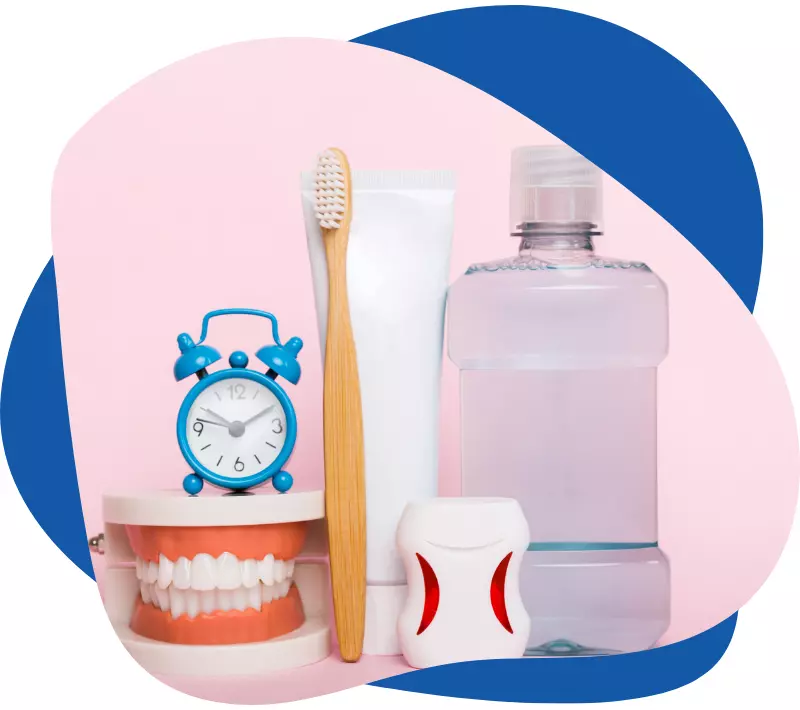
You can also prevent the need for invasive dental procedures in the future by following a consistent oral hygiene routine. This includes brushing and flossing regularly and seeing a dentist every six months to get your teeth cleaned.
Poor oral hygiene can lead to cavities that can become extensive, especially if left untreated. This may mean that your dentist can no longer fill the tooth but instead may need to perform a root canal or a tooth extraction. Both of these procedures pose a higher risk of bleeding when you have hemophilia.
Poor oral health can also cause gum disease, which can cause your gums to bleed more easily and sometimes longer than usual. This is why maintaining good oral health and getting regular dental checkups is important.
Here are some tips for establishing a consistent oral hygiene routine:
On MyHemophiliaTeam people share their experiences with hemophilia, get advice, and find support from others who understand.
Have you had bleeding episodes during dental care? Let others know in the comments below.
Get updates directly to your inbox.




 Continue with Facebook
Continue with Email
Continue with Facebook
Continue with Email
Continue with Facebook
Continue with Email
Continue with Facebook
Continue with Email
Become a member to get even more





 Join
Join



 Your Privacy Choices

This is a member-feature!
Sign up for free to view article comments.
I am finally at the tail end of major dental work. I ended up using HTC for referrals for extraction done by a dentist affiliated with the HTC. My follow up work was done by a very vetted regular… read more
We'd love to hear from you! Please share your name and email to post and read comments.
You'll also get the latest articles directly to your inbox.