
Powered By



Some health experts once advised people with bleeding disorders to avoid exercise because of bleeding and injury risks. Today, regular physical activity is often encouraged for people with hemophilia, but concerns about injuries and uncontrolled bleeds can still leave some people sitting on the sidelines.
Fortunately, advances in treatment have put many people with hemophilia back in the game. Bleeding disorders don’t need to be a barrier to the mental, physical, and social benefits that exercise can offer.
In this article, we’ll cover how people with hemophilia can exercise safely, including what activities are best and how to take precautions. Always discuss specific needs with your bleeding disorder specialist.
Sign up to view the results!
 Continue with Facebook
Continue with Email
Continue with Facebook
Continue with Email
Here’s the latest on staying active with hemophilia.
An active lifestyle is essential for good health. Regular exercise helps protect against key health concerns related to hemophilia.
People with hemophilia have higher rates of obesity compared to the general population. If you’re diagnosed with obesity and living with hemophilia, you may be at a higher risk for joint damage, which can make movement even harder.
For those with hemophilia, excess weight gain tends to start earlier in life. In some cases, this is due to protective parents and exercise restrictions that end up doing more harm than good.
Some members of MyHemophiliaTeam team are aware of this. One member said, “My son really wants to go on a school skiing trip. I’m a nervous Nelly, but I have to start letting him experience life and stop trying to keep him in a bubble.”

Regular exercise can promote a healthy body weight at any age. For people with hemophilia, physical activity should be a lifelong habit that starts early.
The most common additional health conditions among adults with hemophilia are hypertension (high blood pressure), high cholesterol, and diabetes. These conditions can make life with hemophilia more complicated, raising hospitalization rates and healthcare costs.
Heart disease and diabetes affect the quality of life and can significantly raise the likelihood of permanent disabilities. Regular physical activity is one of the top ways to reduce these risks.
Staying active to help prevent unhealthy weight gain can also lower stress on the joints. Exercise can also help strengthen the muscles surrounding the joints, providing extra support and stability.
People often worry about getting hurt during exercise. But the opposite can be true, too: Not exercising may make you more prone to injuries over time.
Exercise improves balance and coordination. It can also help keep your bones strong and less likely to fracture (break). As a result, being active may actually lower your chances of injuries in daily life, especially as you age.
Although exercise is good for people with bleeding disorders, it’s still important to be careful. Taking precautions can ease your mind so you can enjoy activity with less worry.
Talk to your healthcare provider about taking pre-exercise factor infusions before physical activity. Timing your treatment can help prevent serious bleeds and bruising if you fall or get bumped during sports.
One MyHemophiliaTeam member said, “We finally controlled my son's hemophilia. Prophylaxis and the new factor products allowed him to be active and play sports and live a normal life.”
Modern therapies providing continuous protection against bleeding have further expanded the different activities that patients living with hemophilia can participate and enjoy in.
Safety equipment can help prevent serious injuries. Always be sure to wear helmets, knee pads, wrist guards, or whatever safety gear is appropriate for the activity. These can help protect your joints and other body parts.
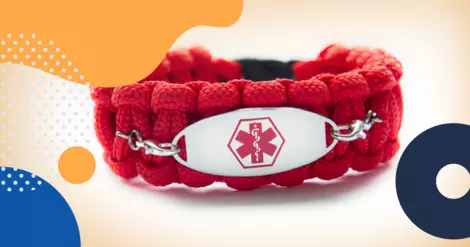
Carry your hemophilia emergency kit with you when exercising. If you're working out with others, make sure they know what to do in case you have a bleed.
Stop the activity at the first signs of an injury. Knowing when to take a break and recover is essential to keep small injuries from getting worse.
Remember the acronym RICE, which stands for:
Check in with a healthcare provider about bleeding episodes that aren’t responding to care at home.
Some activities are less likely to cause bleeds than others. Here are some safer options for people with hemophilia to try.
Exercises that improve your posture and balance can be good for your body and mind. These include meditative workouts, like yoga and tai chi.
“As a 63-year-old with severe hemophilia B, I have found what I consider the ultimate form of fitness, both physically and mentally, for our community,” said a member of MyHemophiliaTeam. “Tai chi … works your entire body gently, strengthening and increasing flexibility.”
“Because of the mindful aspect of tai chi, you focus on your movements and are aware of your body,” they shared. “I’ve practiced tai chi for many years, and have increased my range of motion in ankles that were considered fused.”
Tai chi is often practiced in groups. You may find indoor or outdoor classes offered in parks and community centers. You can also look up videos online that guide you through the moves.
Swimming is low-impact and easy on your joints. It’s also a great form of cardiovascular exercise, which is good for your heart and blood vessels.
“Swimming is a way to stay active and not put any stress on your joints. I love the pool!” wrote a MyHemophiliaTeam member.
Another said, “I couldn’t play sports in high school, except swimming and water polo.”
If you’re not into lap swimming, consider signing up for a water aerobics class. Swimming and water sports can be a great alternative for kids and adults with bleeding disorders.
Another member shared, “I’ve tried to teach my children that, yes, football is out. However, what about swimming? There’s always something else you can be doing.”
According to research on bleeding disorders, strong muscles are less likely to bleed. While all forms of exercise can help strengthen your muscles, focused strength-training sessions offer a more targeted approach.
If you’re not sure where to get started, meet with a physical therapist. They can teach you safe ways to build muscle strength and physical fitness at home or in the gym. You may use weight machines, free weights, exercise bands, or your own body weight.
Children under 14 should hold off on weight training until their bodies have had more time to develop. But for adults, weight training is an essential part of any fitness program.
Sports are a fun way to stay active for people of all ages. Along with physical benefits, they can be a great social activity, as well.
Some good options include:
With the right precautions, people with hemophilia may also consider sports like baseball, basketball, and soccer. Some of these sports are safer for younger children but become more risky for teens.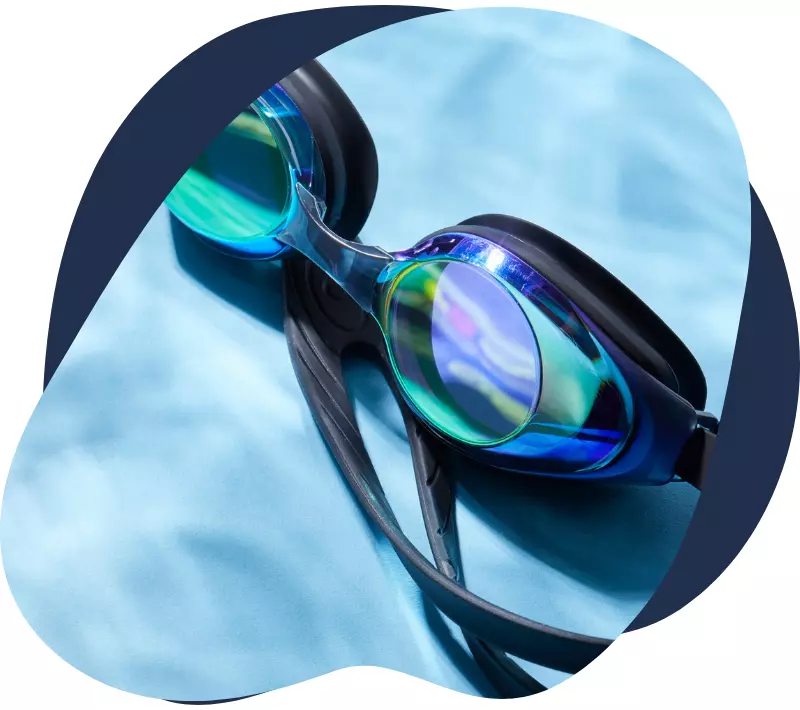
Every person has to weigh the pros and cons of sports participation, with the guidance of their healthcare team.
Members of MyHemophiliaTeam have discussed their experience with sports. “I was unable to play football in high school due to hemophilia,” said one member. “It was a bummer, but I still enjoy other sports. I play flag football from time to time, and I weight lift, as well as other sports. I just try to take it easy and set some boundaries.”
Sports and activities that involve a high risk of injury are best avoided with bleeding disorders.
These include:
“My 18-year-old son, who is a severe hemophiliac, is going to the boxing gym. I’m terrified,” said a member of MyHemophiliaTeam. “I keep telling him that he can’t do contact sports, but he insists that as long as he infuses, he’s just like any other child without hemophilia. I called the hematologist to ask his opinion.”
Other members have discussed their thoughts on sports. “I have severe hemophilia A,” shared another. “I have a background in physical therapy, strength and conditioning, and nutrition. I’ve kickboxed for 16 years.”
Sports don’t have to be life-threatening just because you have a bleeding disorder. With some extra thought and consideration, people with hemophilia can still enjoy an active lifestyle.
On MyHemophiliaTeam, people share their experiences with hemophilia, get advice, and find support from others who understand.
How do you balance exercise and sports activities with the risk of bleeding? Let others know in the comments below.
Get updates directly to your inbox.



 Continue with Facebook
Continue with Email
Continue with Facebook
Continue with Email
Continue with Facebook
Continue with Email
Continue with Facebook
Continue with Email
Become a member to get even more





 Join
Join



 Your Privacy Choices

This is a member-feature!
Sign up for free to view article comments.
Do you pretreat before you exercise? Maybe you need to until you build up the muscle more. Or do less reps or lighter weights. I work out in a therapy pool. Try to find a Hinges and Twinges class.
We'd love to hear from you! Please share your name and email to post and read comments.
You'll also get the latest articles directly to your inbox.