
Powered By



Gene therapy is available for some adults with hemophilia B, and two gene therapies are approved for the condition. Given as a one-time infusion, gene therapy may reduce the need for ongoing clotting factor replacement. Could gene therapy be a good choice for you or your adult child with hemophilia B?
Here’s what you need to know to have a conversation with your primary healthcare provider or hematologist about gene therapy as a treatment for hemophilia.
Hemophilia is caused by genetic mutations (changes) that stop the body from making enough clotting factor to control bleeding. Hemophilia A involves factor VIII (8), and hemophilia B involves factor IX (9). Clotting factors are usually written with Roman numerals.
Gene therapy uses a viral vector to deliver a working copy of a gene into liver cells. This type of gene therapy is called gene transfer. The viral vector is made from a modified virus called an adeno-associated virus (AAV), which is changed so it can carry the gene without causing illness.
Once the working gene is in place, the liver can start making clotting factor. The goal of gene therapy for hemophilia is to help the body make enough of the missing clotting factor to control bleeding episodes.

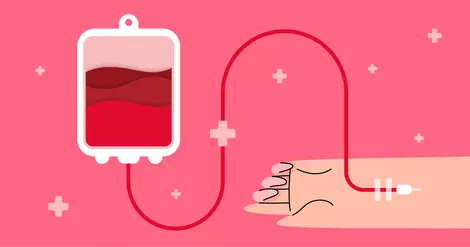
Gene therapy is given as a one-time intravenous infusion.
Within the last five years, the U.S. Food and Drug Administration (FDA) approved several gene therapy treatments for adults with both hemophilia A and hemophilia B.
The only approved gene therapy for hemophilia A, valoctogene roxaparvovec (Roctavian), was pulled from the market due to financial losses in 2026.
Gene therapy options for hemophilia B include:
Some people with hemophilia may be eligible to join investigational clinical trials testing new gene therapies.
Right now, gene therapy for hemophilia has only been approved for adults, people ages 18 or older. So far, gene therapy has mostly been studied in men with bleeding disorders, according to the National Bleeding Disorders Foundation.
To qualify for gene therapy for hemophilia B, you must be 18 or older and either use preventive factor IX replacement therapy or have a history of life-threatening bleeds or repeated serious spontaneous bleeds (bleeds that happen without an injury).
Gene therapy has worked well in clinical studies, but results can vary from person to person.
Gene therapy for hemophilia B was approved after studies of 57 adults with severe or moderately severe hemophilia B showed lower annual bleeding rates.
In one study, people who underwent gene therapy had higher factor IX levels, needed fewer infusions, and had about half as many bleeds each year.
One MyHemophiliaTeam member who participated in a gene therapy trial shared, “I haven’t taken any factor in 30 days! I’m trying to wrap my head around the idea that I don’t have to infuse anymore.”
Doctors are still unsure whether gene therapy will be less effective over time.
If you meet the medical criteria for gene therapy, and it’s considered medically necessary, health insurance companies may cover the costs of gene therapy.
Depending on your insurance plan, you may be responsible for some of the costs. Talk with your insurance provider to find out what may be covered and whether you need preapproval.
Your healthcare team may also know about programs that can help lower the cost. Some pharmaceutical companies may offer assistance programs for gene therapy that isn’t covered by insurance. Your local hemophilia treatment center may also be aware of government programs and other ways to reduce costs.
Every medication, even those available over the counter at a pharmacy, can cause side effects. In general, gene therapy for hemophilia has been well tolerated by people given the treatment in clinical studies.
In studies of gene therapy for hemophilia B, the most common side effects were:
Researchers are still studying the long-term safety of gene therapy for hemophilia, including whether it could trigger an unwanted immune response or harm the liver.
Read about what to carry in your hemophilia emergency kit in case of sudden, severe bleeds.
The viral vectors used to deliver gene therapy for hemophilia are designed to avoid making people sick. The virus is genetically modified so it can’t cause disease.
Once it’s no longer needed, most of the viral vector will leave the body through bodily fluids. However, small amounts may be detectable for a time after infusion.
Gene therapy helps your body make more clotting factor, but it doesn’t fix the mutation in your genome, and you can still pass it to your children.
After gene therapy, it’s likely the amount of clotting factor your body makes will increase, maybe even to normal levels. You may need fewer clotting factor replacement infusions, or you may not need them at all for some time.
Whatever effects you see may not last forever. More studies are needed before researchers will know what to expect over time.
After gene therapy, your immune system makes neutralizing antibodies against the adeno-associated virus vector (AAV vector) used to deliver the gene. These antibodies can keep the same AAV-based therapy from working again, so repeat dosing isn’t currently done.
If you receive gene therapy, you should still attend regular follow-ups at your hematology clinic or hemophilia treatment center to monitor your clotting factor levels and check for any problems.
On MyHemophiliaTeam, people share their experiences with hemophilia, get advice, and find support from others who understand.
Have you considered using gene therapy to treat your hemophilia? Let others know in the comments below.
Get updates directly to your inbox.





 Continue with Facebook
Continue with Email
Continue with Facebook
Continue with Email
Continue with Facebook
Continue with Email
Continue with Facebook
Continue with Email
Become a member to get even more





 Join
Join


 Your Privacy Choices

This is a member-feature!
Sign up for free to view article comments.
We'd love to hear from you! Please share your name and email to post and read comments.
You'll also get the latest articles directly to your inbox.