
Powered By



After you or your child is diagnosed with hemophilia, dozens of questions can come up. While you may need to make some changes to your routine, a bleeding disorder doesn’t have to upend your life. In fact, most people with hemophilia have a normal life expectancy and can safely participate in most activities.
Despite the positive outlook, your mind might race about the unknowns. Here, we offer a quick overview of things to know with a new hemophilia diagnosis, along with the next steps to take.
Knowing more about hemophilia can give you some direction after getting a new diagnosis.
Hemophilia is a genetic condition that prevents blood from clotting normally. This means that a person with hemophilia bleeds more easily than someone without it. This happens because they lack natural proteins called clotting factors in their blood.
There are two main types of inherited hemophilia:
Getting a hemophilia diagnosis involves sharing your personal and family medical history. Your doctor will also perform a physical exam before moving on to more in-depth testing.
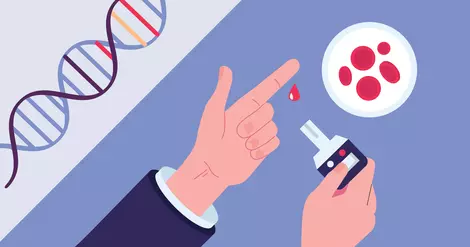
Multiple blood tests can tell the care team more about what’s in your blood and how it functions. Blood tests for diagnosing and learning about hemophilia include:
Your healthcare providers might also suggest genetic testing. This can identify genes that cause hemophilia A or B. Girls and women in your family may also consider being tested for those genes to find out if they’re carriers of hemophilia, according to Children’s Hospital of Philadelphia.
Genetic tests can tell you about your or your child’s risk of developing inhibitors. These are antibodies that prevent certain hemophilia treatments from working well.
Inhibitor blood tests can tell you if inhibitors are currently in your blood. This information can help guide treatment decisions.
After a hemophilia diagnosis, you’ll want to start treatment as soon as possible. Early treatment is important for preventing hemophilia complications later in life. These may include arthritis and other permanent joint damage.

Comprehensive care for hemophilia starts with a team of specialists who understand this disease. Visiting a hemophilia treatment center (HTC) near you is a great first step in finding a care team. Otherwise, your primary care provider can make referrals to specialists.
A hemophilia care team guides decisions about treatment and answers your questions. It usually includes:
Heavy and uncontrollable bleeding can occur regularly in people with hemophilia. Bleeding occurs more often the more severe your hemophilia is.
Bleeding can be visible when it occurs outside your body. But it may be a little harder to detect when it’s internal.
It’s important to identify the common signs of bleeding. Look out for hemophilia bleeding symptoms such as:
Some hemophilia bleeding has an obvious cause, like an injury or recent surgery. In other cases, hemophilia bleeding is spontaneous, and there isn’t a clear cause.
Some hemophilia bleeding can be life-threatening or cause permanent problems. That’s why emergency care is necessary in some cases. Seek emergency care if you notice signs such as:
Developing an action plan can help you feel more in control after a hemophilia diagnosis.
Hemophilia treatment can involve two types of treatment: prophylactic treatments and on-demand treatments. Prophylactic treatments may help prevent excessive bleeding and the complications it can cause. For instance, this may include getting regular clotting factor infusions.
On-demand treatments aim to help control bleeding when it occurs. This may involve infusing clotting factors as bleeding is happening, before it can cause permanent damage.
Always talk to your hemophilia care team about medications that may or may not be safe. For example, avoid nonsteroidal anti-inflammatory drugs (NSAIDs) unless your care team allows you to take them.
A bleeding disorder can make some activities a little riskier. That’s because injuries can lead to excessive bleeding. Take the following steps to reduce the risk of injuries that cause bleeding in joints and elsewhere:
Some medical care, including surgery or dental procedures, can be riskier for people with hemophilia due to the higher risk of bleeding. Check in with your care team before any upcoming procedures. They might recommend more factor replacement infusions for you or your child as a precaution.
A medical ID tells others that you or your child has a bleeding disorder. That way, first responders and others know what to do in case of an emergency. Consider getting a medical ID for you or your child once you have a diagnosis.
Connecting with the hemophilia community can help you and your family feel less alone. Talk with others on MyHemophiliaTeam or look into local or online support groups for people with bleeding disorders. You might also find connections through hemophilia foundations.
If you or your child is newly diagnosed with hemophilia, talk to your doctor about steps you can take to be proactive about your health. Your doctor can make referrals, help with treatment recommendations, and answer your questions about hemophilia and available treatments.
On MyHemophiliaTeam, people share their experiences with hemophilia, get advice, and find support from others who understand.
What advice would you give someone whose child was recently diagnosed with hemophilia? Let others know in the comments below.
Get updates directly to your inbox.




 Continue with Facebook
Continue with Email
Continue with Facebook
Continue with Email
Continue with Facebook
Continue with Email
Continue with Facebook
Continue with Email
Become a member to get even more





 Join
Join


 Your Privacy Choices

This is a member-feature!
Sign up for free to view article comments.
We'd love to hear from you! Please share your name and email to post and read comments.
You'll also get the latest articles directly to your inbox.