
Powered By



Hearing the word “severe” to describe your or your child’s hemophilia can sound alarming. You may wonder what “severe” means in this context. How does severity affect treatment? What does it mean for a person’s overall health?
In this article, we’ll cover five important things for you to know about severe hemophilia. Thanks to new treatments and knowledge around bleeding disorders, many people live long, healthy lives with hemophilia.
Hemophilia is an inherited bleeding disorder caused by low clotting factor levels. These specialized proteins help you form blood clots to stop bleeding. There are two main types of hemophilia — A and B — plus a rare third type called hemophilia C.
Hemophilia A, or classic hemophilia, develops when you have low levels of clotting factor VIII (8). Hemophilia B — also known as Christmas disease — develops when you have low levels of factor IX (9). The majority (80 percent) of hemophilia cases are hemophilia A.
Most people with hemophilia are diagnosed as infants or children. Those with a family history of hemophilia are tested early. According to the Centers for Disease Control and Prevention (CDC), the median age for diagnosing severe hemophilia is 1 month old. This means that half of infants diagnosed with severe hemophilia are younger than 1 month, and the other half are older.
Doctors use blood tests for screening and diagnosing cases of hemophilia. A person’s condition is then defined as mild, moderate, or severe based on their clotting factor levels.
For those with severe hemophilia, excessive bleeding can occur spontaneously without an injury or accident. For comparison, people with mild hemophilia have bleeding episodes only from injuries, including those sustained during dental procedures or surgery. Those with moderate hemophilia can have some spontaneous bleeding episodes, but they’re usually caused by an injury.
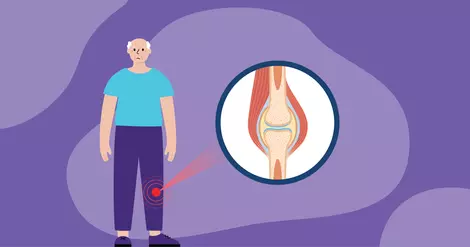
Joint bleeds that can lead to joint pain and swelling are among the most common symptoms of severe hemophilia A and B. People with either condition are also at a higher risk for internal bleeding in their stomach, intestines, kidneys, urinary tract, and brain. Some people with severe hemophilia may also have nosebleeds and easy bruising, although these symptoms can also occur in people with milder forms of hemophilia.
Some bleeds can become life-threatening if they’re left untreated. For example, brain bleeds can lead to headaches, seizures, and changes in your mental status. If you notice any changes in your behavior or your child’s, call a hemophilia treatment center or your doctor.
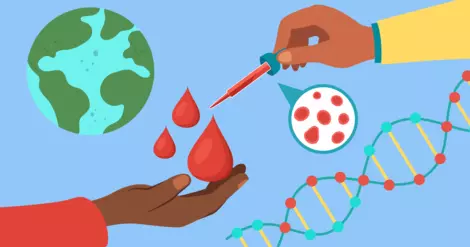
Hemophilia is a genetic condition, meaning it’s caused by changes or mutations in your genes. Specifically, you have gene changes in the instructions to make clotting factors. Most people have mutated genes that are passed down through family members — however, some hemophilia cases are spontaneous.
If you’re born with these mutated genes, your cells simply don’t have the right instructions to make your clotting factors. This means you’ll never be able to make enough of these proteins on your own.
Hemophilia severity doesn’t change over time. If you’re born with severe hemophilia, it won’t improve as you age. The only way to raise your clotting factor levels is with appropriate treatment.
The best way to manage severe hemophilia is by sticking closely to your treatment plan. Since people with severe forms of hemophilia have less than 1 percent of normal clotting factor levels, they need to raise them. This is done by infusing clotting factor proteins into a vein in your arm or a port implanted in your chest.
Prophylaxis refers to preventing a disease. For people with severe hemophilia, prophylactic treatment helps prevent severe bleeding episodes. It can also prevent joint bleeding and damage. Many people receive regular treatment with clotting factor replacement therapy.
This approach uses lab-engineered (recombinant) proteins or concentrated clotting factors donated by other people.
Severe hemophilia A is usually treated with clotting factor VIII replacement therapy. These treatments can be made from donated blood or produced in a lab.
Severe hemophilia B is usually treated with clotting factor IX replacement therapy. These treatments can also be made from donated blood or produced in a lab.
Other options for preventing bleeds in severe hemophilia A include medications called monoclonal antibodies. These treatments do not replace factor VIII directly. Instead, they help restore balance to the clotting process so the blood can form clots more effectively. They are given as injections under the skin instead of into a vein.
Newer nonfactor options include medications or injections that may help your blood clot in other ways. These may be prescribed for severe hemophilia A or B in people with or without inhibitors depending on the drug’s instructions.
In 2022, the U.S. Food and Drug Administration (FDA) approved a gene therapy for adults with hemophilia B. Gene therapies are given as a one-time intravenous infusion. Currently, there are only gene therapies available for hemophilia B, but clinical trials are ongoing for gene therapies for both hemophilia A and B.
Your eligibility for hemophilia gene therapy can vary based on your hemophilia type, your age, and other details. Gene therapy is currently only available for adults and requires long-term care and follow-ups with a specialist. While gene therapy for severe hemophilia doesn’t completely stop bleeding, it can help people have better control.
If you’re interested in learning more about new treatments or how to better manage your severe hemophilia, talk to your doctor or hematologist (blood disorder specialist).
Clotting factor concentrates are a key part of your severe hemophilia treatment plan. However, around 30 percent of people with severe hemophilia A will develop inhibitors — antibodies that neutralize clotting factors and make hemophilia harder to treat. On the other hand, only a small percentage (less than 5 percent) of those with hemophilia B develop inhibitors.
Inhibitors produced by your body recognize the clotting factors as “foreign.” They attack and destroy them, stopping your hemophilia treatment from working.
According to the CDC, inhibitors typically develop within your first 50 treatments with clotting factor concentrates. However, your immune system can make them at any time.
It’s important to note that the risk of developing inhibitors and how they’re managed varies from person to person. Discuss your risk with your care team at a hemophilia treatment center.
While inhibitors technically don’t worsen severe hemophilia, they stop effective treatments from working. This raises your risk of a severe bleeding event and hospitalization. If you have inhibitors, your doctor can prescribe another blood product — known as a bypassing agent — to help.
The best thing you or your child can do to manage severe hemophilia is stick to the treatment plan. Be sure to take your prophylactic treatment regularly or administer your child’s treatment by following their doctor or healthcare provider’s instructions.
Children and adults with severe hemophilia also need to take extra care to avoid injuries. Exercise is important for keeping your joints healthy, but it’s important to choose the right activities.
Avoid any contact sports or activities where you may fall down or be hit. Some alternatives include swimming, golf, and cycling.
It is also very important to maintain good oral hygiene. Brush your teeth twice a day with a fluoride-based toothpaste and soft-bristled toothbrush, avoid consumption of sugary foods, and visit your dentist regularly. Such practices are necessary to avoid needing a dental extraction or having to manage troublesome gum bleeds.
Research on how severe hemophilia A impacts a person’s quality of life shows moderate to severe pain is among the most commonly reported concerns. Many people also report experiencing depression or anxiety linked to their hemophilia.
People with severe hemophilia B have reported pain, functional impairment, and mental health concerns as their main quality-of-life concerns. People with severe hemophilia B were more likely to experience depression than those with mild or moderate hemophilia B.
With recent advancements in hemophilia treatment, the life expectancy and quality of life for people with severe hemophilia are improving. A combination of psychotherapy, physical therapy, and other comprehensive hemophilia care can support a better quality of life.
On MyHemophiliaTeam, people share their experiences with hemophilia, get advice, and find support from others who understand.
What else have you noticed about life with severe hemophilia? Let others know in the comments below.
Get updates directly to your inbox.




 Continue with Facebook
Continue with Email
Continue with Facebook
Continue with Email
Continue with Facebook
Continue with Email
Continue with Facebook
Continue with Email
Become a member to get even more





 Join
Join

 Your Privacy Choices

This is a member-feature!
Sign up for free to view article comments.
Severity isn't defined by percentages for all bleeding disorders. With F7 and F9 deficiency symptoms don't always correlate to percentages, and thus there are categorization of severity based on… read more
We'd love to hear from you! Please share your name and email to post and read comments.
You'll also get the latest articles directly to your inbox.