
Powered By


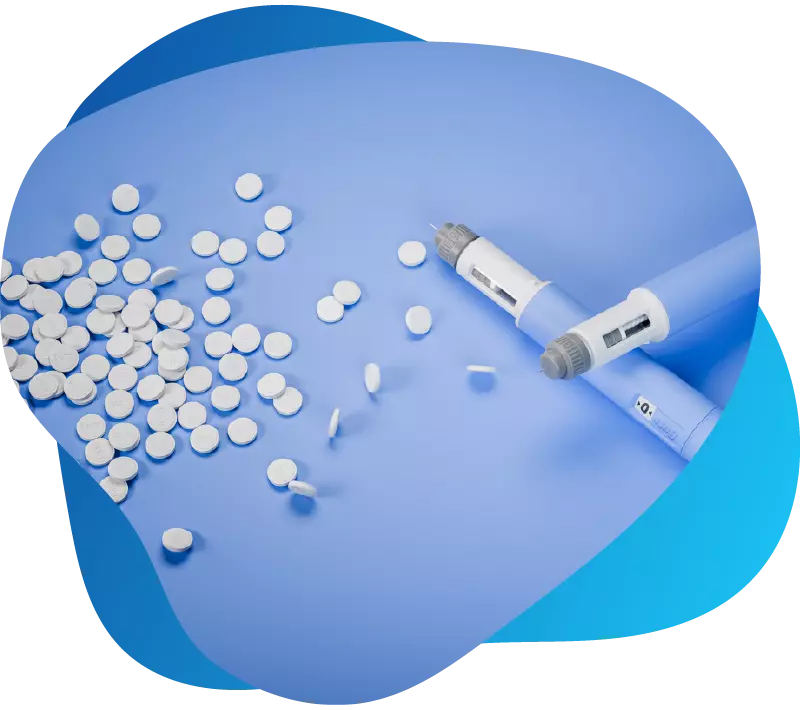 Living with hemophilia means balancing many aspects of daily health, from managing bleeding risks to being mindful of possible medication interactions. With the growing use of glucagon-like peptide 1 (GLP-1) receptor agonists — medications commonly prescribed for managing type 2 diabetes and obesity — many people with hemophilia may wonder: Are these medications safe for me?
There isn’t much direct research on how GLP-1 drugs affect people with hemophilia. Still, understanding how these medications work and what the possible risks may be can help guide important conversations with your healthcare provider.
GLP-1 receptor agonists are a class of medications that help control blood glucose (blood sugar) levels and support weight management. They mimic glucagon-like peptide 1, a hormone produced in the gut that helps regulate insulin levels and slows digestion. This can help you feel full for longer.
These medications are often prescribed for managing type 2 diabetes and are increasingly used to treat obesity. GLP-1 medications can be effective for weight management because of their appetite-suppressing effects, which may lead to meaningful weight loss over time.
Common side effects of GLP-1 drugs as a class include nausea, vomiting, diarrhea, constipation, stomach pain, and decreased appetite. These side effects are usually mild to moderate and often improve over time.
For people with hemophilia who are also managing type 2 diabetes or obesity, these drugs may be an appealing option.
| Medication | Brand Names | Common Uses | Dosing |
|---|---|---|---|
| Dulaglutide | Trulicity | Type 2 diabetes | Once weekly injection |
| Liraglutide | Victoza, Saxenda | Type 2 diabetes, obesity | Once daily injection |
| Orforglipron | Foundayo | Obesity | Once daily oral tablet |
| Semaglutide | Ozempic, Wegovy, Rybelsus | Type 2 diabetes, obesity | Once weekly injection (Ozempic, Wegovy) or once daily oral tablet (Rybelsus) |
| Tirzepatide | Mounjaro, Zepbound | Type 2 diabetes, obesity | Once weekly injection |
 Before considering the safety of GLP-1 drugs for people with hemophilia, it helps to understand the link between hemophilia, diabetes, and obesity. Although these conditions may seem unrelated, individuals with hemophilia can face an increased risk of developing both obesity and type 2 diabetes.
Obesity is defined as having a body mass index (BMI) of 30 or higher, calculated using a person’s weight and height. Maintaining a healthy weight can be challenging for those with hemophilia, especially when joint damage, pain, or bleeding concerns make some types of physical activity harder. This is particularly true for people with hemophilic arthropathy (joint damage), which can make movement and exercise more difficult.
Obesity is a significant risk factor for developing type 2 diabetes, and this risk extends to people with hemophilia. As rates of obesity remain high in the hemophilia population, more individuals may be managing both diabetes and hemophilia.
Given these overlaps, some people with hemophilia may be considered for GLP-1 medications to help manage their weight or blood sugar levels. But a key question remains: Are these drugs safe for those with hemophilia?
The main concern for people with hemophilia when starting a new medication is its potential impact on bleeding and blood clotting. Hemophilia is a genetic condition that affects the blood’s ability to clot properly, which can make even minor injuries a significant concern.
In addition to questions about blood clotting, GLP-1s can cause side effects that may be challenging for people with hemophilia. For example, some people taking GLP-1 medications have reported digestive tract side effects such as nausea, vomiting, and diarrhea. These symptoms can lead to dehydration, which can affect blood pressure and blood volume.
Many people may wonder if semaglutide can cause blood clots. Right now, there’s no strong evidence showing that semaglutide medications like Ozempic directly cause blood clots in most people.
Large studies on these drugs have mostly focused on diabetes, weight loss, heart disease, and kidney health. Researchers have not found a clear link between semaglutide and dangerous blood clots.
In fact, some studies suggest GLP-1 medications may help improve certain heart health risks in people with type 2 diabetes.
Still, researchers continue to study the long-term safety of these medications. Rare reports of clotting events have occurred in some people taking GLP-1 drugs, but health experts haven’t confirmed that the medications themselves caused the clots. Other health conditions, such as obesity, smoking, diabetes, or heart disease, may have contributed.
Because hemophilia is a rare condition, people with hemophilia may not be well represented in studies that assess the safety of these drugs. Due to the lack of targeted research, it’s not possible to definitively determine whether GLP-1 drugs are completely safe or unsafe for those with hemophilia.
However, current evidence has not shown that these medications directly interfere with blood clotting factors or standard hemophilia treatments.
There are currently no well-known direct interactions between GLP-1 medications and replacement clotting factor products used to treat hemophilia A or hemophilia B.
However, GLP-1 drugs slow digestion, which can affect how some oral medications are absorbed into the body. While clotting factor replacement therapies are usually given by infusion or injection, people with hemophilia may also take other medications that could be affected.
Due to the limited research on GLP-1 drugs in people with hemophilia, healthcare professionals often recommend using these medications with caution. Although GLP-1 drugs don’t appear to directly increase bleeding risk or interfere with blood clotting, their long-term effects on people with hemophilia remain uncertain.
Healthcare providers may advise weighing the potential benefits of GLP-1 drugs — such as better blood sugar control and weight loss — against possible unknown risks. For instance, if a person with hemophilia is already maintaining a healthy weight or doesn’t have type 2 diabetes, these medications may not be necessary.
Because hemophilia presents unique challenges related to bleeding and joint health, it’s important to have a thorough discussion with a healthcare provider before starting any new medication. This helps ensure that potential risks are carefully considered and that the treatment plan reflects your overall health needs, including your hemophilia management.
If you have hemophilia and are concerned about using GLP-1 drugs, it’s worth discussing other options for weight management or blood sugar control.
Lifestyle changes, including healthy eating and low-impact exercise, are often the first step. Some people may also benefit from other diabetes medications, such as metformin or SGLT2 inhibitors.
The best treatment depends on your overall health, bleeding history, and personal treatment goals.
Managing hemophilia requires a careful approach, especially when considering new medications. GLP-1 drugs can provide benefits for people with diabetes and obesity, but their effects on individuals with hemophilia remain uncertain due to limited research. This makes it important to consider these medications with care.
If you’re thinking about using a GLP-1 drug for weight management or blood sugar control, have a thorough discussion with your healthcare provider. They can help you evaluate the potential benefits and risks, taking into account your specific health needs and how your hemophilia might influence the decision.
Always consult your healthcare provider before starting or stopping any medication. Staying informed and maintaining open communication with your healthcare team can help you make choices that support your health and hemophilia management.
On MyHemophiliaTeam, people share their experiences with hemophilia, get advice, and find support from others who understand.
Have you talked with your healthcare provider about taking Ozempic or another GLP-1 medication while living with hemophilia? Share your experience in the comments below.
Get updates directly to your inbox.


Does Jardiance lower Von Willebrand factor?



 Continue with Facebook
Continue with Email
Continue with Facebook
Continue with Email
Continue with Facebook
Continue with Email
Continue with Facebook
Continue with Email
Become a member to get even more





 Join
Join



 Your Privacy Choices

This is a member-feature!
Sign up for free to view article comments.
We'd love to hear from you! Please share your name and email to post and read comments.
You'll also get the latest articles directly to your inbox.